Oil Surges Above $100 as Strait of Hormuz Ship Attacks Shake Global Markets
Global oil prices jumped sharply after several commercial vessels were struck by projectiles near the Strait of Hormuz, raising fears of supply disruptions and sending shockwaves through global financial markets.
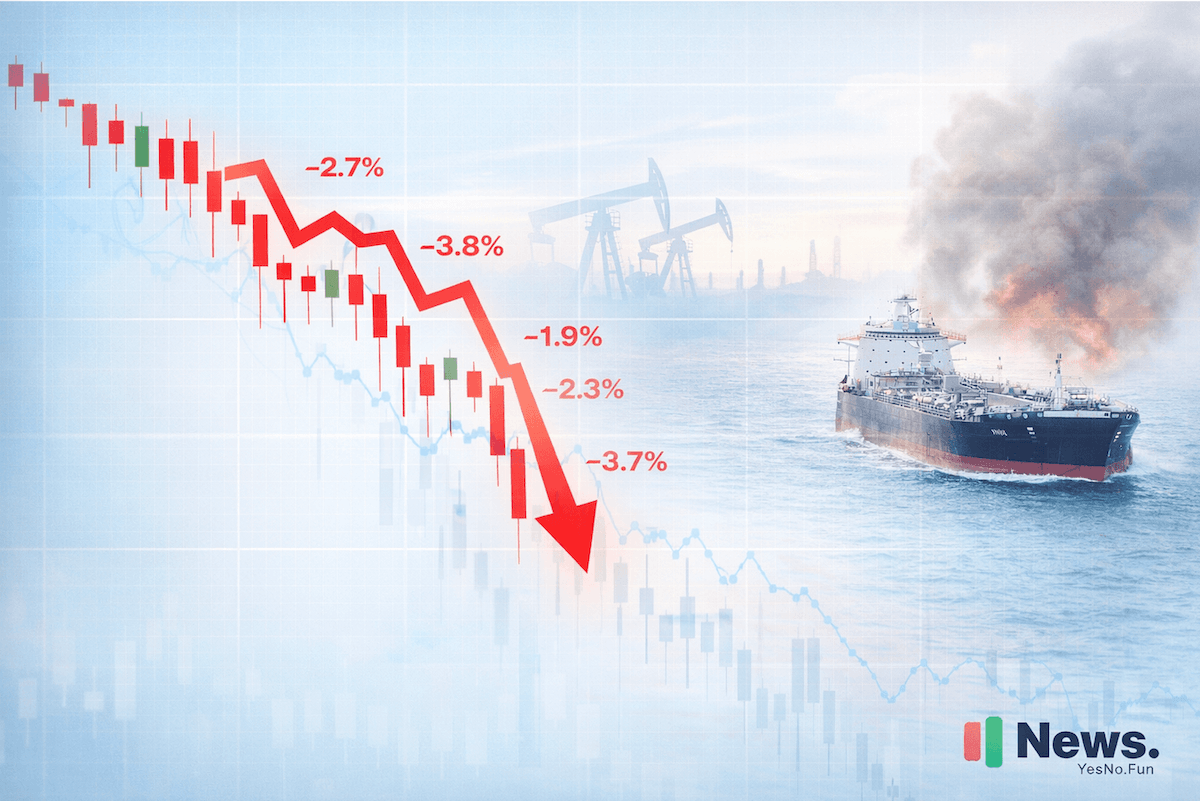
Oil markets surged while global equities fell after several commercial vessels were struck near the Strait of Hormuz, one of the world's most critical oil shipping corridors.
Oil Markets Jolt Higher
Global energy markets were shaken after reports emerged that several commercial vessels navigating near the Strait of Hormuz were struck by projectiles, raising fears of disruptions to one of the world's most important oil shipping routes.
Brent crude surged above the $100 per barrel mark during trading, while U.S. benchmark West Texas Intermediate also jumped sharply as traders rushed to price in potential supply risks.
The sudden spike quickly spread across financial markets. Global equities slipped, airline stocks fell on concerns about higher fuel costs, and investors moved toward safer assets as geopolitical tensions intensified.
Ships Reportedly Hit Near the Strait
Maritime security sources said multiple vessels were struck during the incidents, including the Thai-flagged bulk carrier MV Mayuree Naree, which reportedly sustained heavy damage after being hit by projectiles while transiting near the strategic waterway.
The vessel reportedly caught fire following the strike, forcing crew members to abandon sections of the ship as emergency response teams and regional naval forces monitored the situation.
Additional vessels were also reportedly damaged in nearby incidents as tensions escalated around the Gulf shipping lanes.
Authorities have not formally confirmed responsibility for the attacks, but security analysts say the incidents appear linked to escalating tensions involving Iran and Western forces operating in the Gulf region.
Markets React With Volatility
The reaction across global financial markets was immediate.
Energy stocks rallied sharply as higher crude prices boosted profit outlooks for major oil producers. Meanwhile airline and logistics companies faced selling pressure as traders priced in rising fuel costs.
Major stock indices across Asia and Europe slipped during trading, with analysts describing the move as a classic “risk-off” shift triggered by geopolitical instability.
Shipping insurance premiums for vessels moving through the Gulf have also begun climbing as maritime security risks increase.
The Strait of Hormuz: A Global Chokepoint
The Strait of Hormuz remains one of the most strategically important waterways in the global energy system.
Nearly 20 percent of the world's oil supply passes through the narrow corridor each day, connecting Gulf energy producers with markets across Asia, Europe, and North America.
Even limited disruptions to tanker traffic through the strait can trigger significant volatility in global energy prices.
Rising Geopolitical Risk Premium
Energy analysts say the latest attacks are rapidly adding a geopolitical risk premium to oil prices.
If security threats to commercial shipping continue, traders may begin pricing in the possibility of sustained disruptions to tanker flows through the Gulf.
Such a scenario could tighten global oil supply and potentially reignite inflationary pressures across major economies.
Investors Watching Closely
For now, shipping traffic through the strait continues, though naval forces and maritime authorities have increased monitoring across the region.
Investors worldwide are watching developments closely as markets assess whether the attacks represent an isolated incident or the beginning of a wider disruption to global energy supply.
If tensions escalate further, the latest attacks could mark one of the most significant geopolitical shocks to oil markets in recent years.