How Geopolitical Crises Impact Crypto Prices
Global conflicts are increasingly moving crypto markets. From war risks to energy shocks, events like the current Middle East crisis are shaping how investors react to Bitcoin and other digital assets.
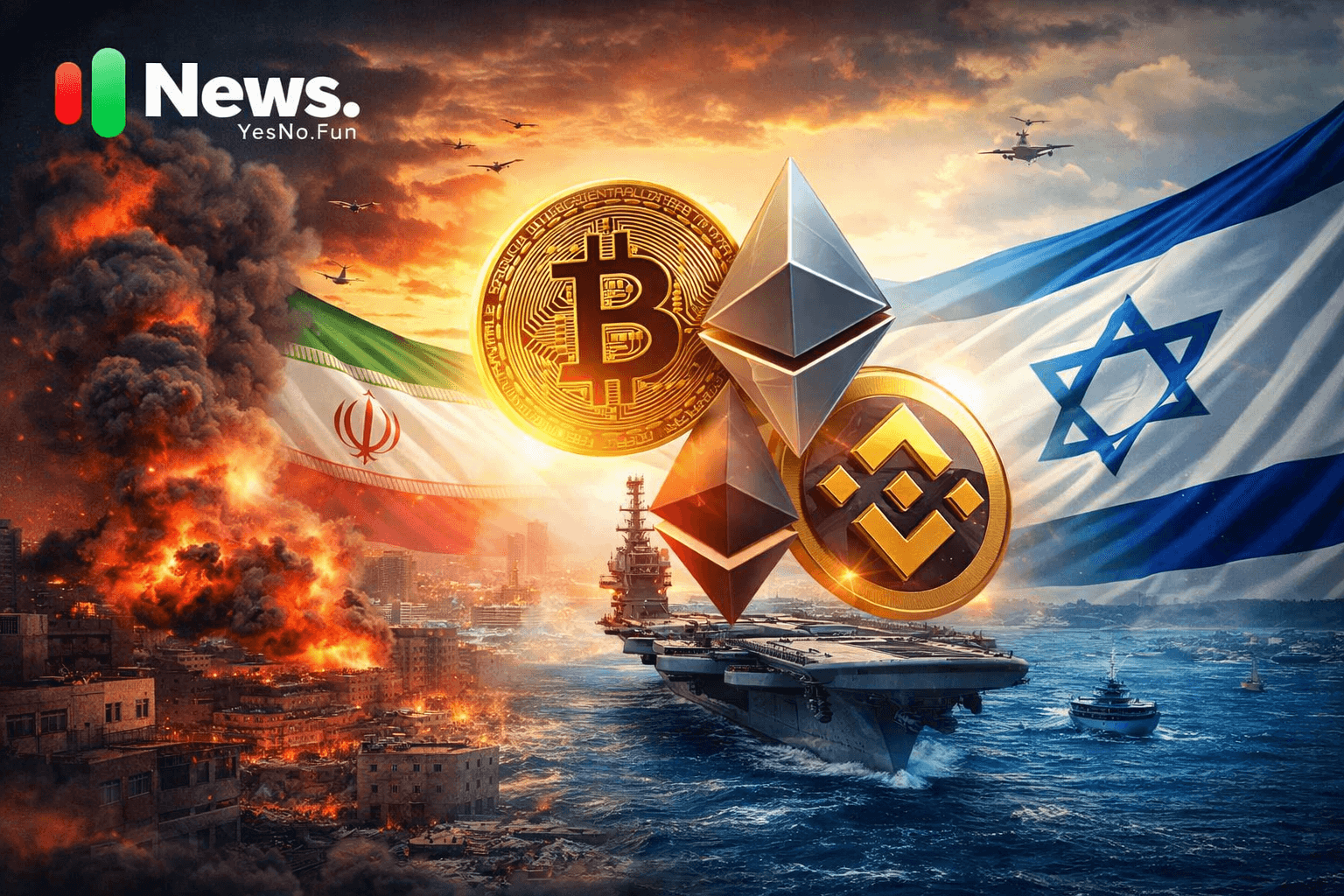
Major geopolitical tensions are increasingly influencing cryptocurrency markets, with Bitcoin and Ethereum often reacting alongside global financial assets.
When Global Politics Meets Crypto Markets
For many years, global conflicts mainly affected traditional financial markets such as oil, gold, currencies, and stock indexes. But today the financial system is more connected than before. Cryptocurrencies have become a global asset class, and geopolitical events can move crypto prices very quickly.
When tensions rise between major countries, investors across the world begin to worry about economic stability. They think about trade disruption, energy supply problems, or financial sanctions. These concerns often lead to rapid changes in market sentiment.
Crypto markets are now part of this global reaction.
The current tensions involving Iran, Israel, and the United States have again reminded traders that geopolitical risk can influence digital assets just as much as traditional markets.
Volatility Is Usually the First Reaction
When geopolitical crises happen, cryptocurrency markets usually respond with sudden volatility.
Unlike stock exchanges that close overnight, crypto markets operate twenty-four hours a day. News that breaks in one region can immediately move prices across global exchanges.
During the recent escalation in the Middle East, Bitcoin experienced sharp price swings before stabilizing again. This type of reaction is not unusual in the crypto market.
Similar patterns were seen during earlier geopolitical events such as the Russia-Ukraine war and previous tensions in the Gulf region. Prices often drop first as investors reduce risk exposure, and then sometimes recover as markets reassess the situation.
Safe Haven or Risk Asset?
One of the biggest debates in the crypto world is whether Bitcoin behaves like a safe-haven asset during crises.
Traditionally, investors move their money into assets such as gold or U.S. government bonds when uncertainty increases. These assets are seen as relatively stable during periods of global instability.
Bitcoin, however, behaves differently depending on market conditions.
In some situations investors treat Bitcoin as “digital gold,” believing it can protect wealth from inflation or financial instability. In other cases, Bitcoin trades more like a technology stock, falling alongside other risk assets during market panic.
This dual nature makes crypto reactions to geopolitical events sometimes difficult to predict.
The Energy Market Connection
Energy markets are often the bridge between geopolitical events and financial markets.
The Strait of Hormuz, located between Iran and Oman, is one of the most important oil shipping routes in the world. Roughly one-fifth of global oil supply moves through this narrow waterway each day.
If tensions in the region threaten shipping routes, oil prices can rise quickly. Higher energy costs can then increase inflation across many countries.
When inflation rises or central banks respond with new policies, investors may begin looking for alternative assets. In some cases, this leads to renewed interest in cryptocurrencies.
Crypto and Sanctions
Another factor connecting geopolitics and crypto markets is the role digital currencies can play during sanctions or financial restrictions.
Countries facing economic isolation often experience difficulties moving funds through traditional banking systems. Cryptocurrencies can sometimes offer alternative channels for transferring value across borders.
For individuals in regions affected by sanctions, crypto may help protect savings from currency depreciation or provide access to global financial networks.
Because of this, geopolitical crises sometimes increase demand for digital assets in certain parts of the world.
The Role of Institutional Investors
Today’s crypto market is very different from the early years of Bitcoin.
Large institutional investors, hedge funds, and exchange-traded funds now participate actively in the market. Their trading decisions can influence prices significantly.
During periods of geopolitical tension, these institutions often rebalance their portfolios. Some reduce risk exposure, while others see opportunities to accumulate assets during market corrections.
These institutional flows can amplify both price declines and recoveries in crypto markets.
A Real-Time Market Test
The current geopolitical tensions in West Asia are providing a real-time test of how crypto markets respond to global instability.
Oil prices have reacted to the risk of supply disruptions, and stock markets around the world have experienced volatility.
Bitcoin and other cryptocurrencies have also moved sharply as traders attempt to understand the broader economic implications of the crisis.
In many cases, crypto markets go through several stages during geopolitical shocks: initial panic selling, reassessment by investors, portfolio adjustments, and eventual stabilization.
The Bigger Picture
As cryptocurrencies become more integrated with global finance, geopolitical events will likely continue influencing their price movements.
Digital assets now exist within the same global financial ecosystem as traditional markets. When conflicts arise or economic tensions increase, crypto prices often react alongside stocks, commodities, and currencies.
However, cryptocurrencies still offer something unique.
Because they operate outside direct government control, they can sometimes provide alternative financial options during periods of instability.
In an increasingly uncertain world, crypto markets are becoming another place where global political tensions are reflected almost instantly.